Propagating Bloodgood Japanese Maple: Seed, Cuttings, Grafting
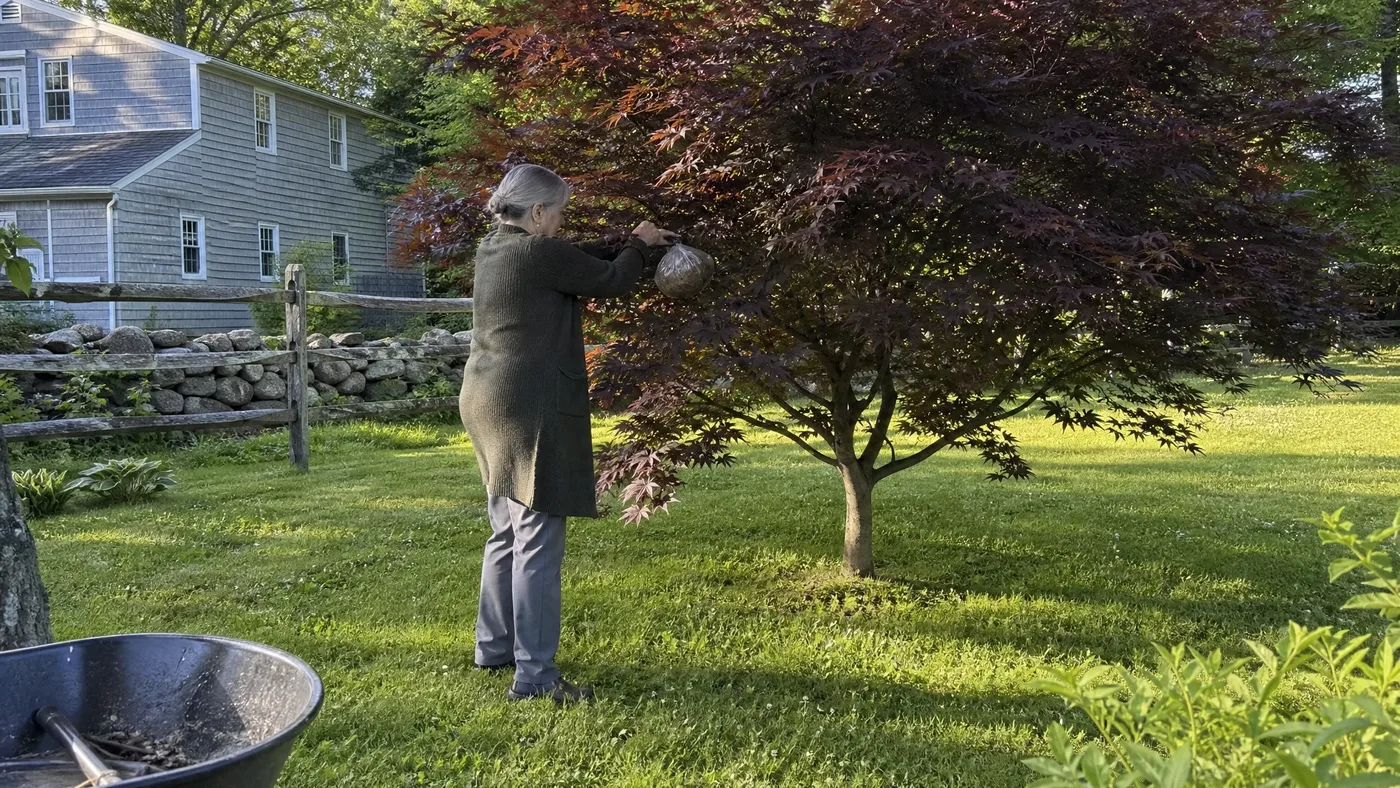
"I have a handful of those winged seeds from my Bloodgood. Will they grow into the same tree?" Customers ask us this every fall, and the plain answer is no. Whatever sprouts from them will be a stranger to the tree you collected them from.
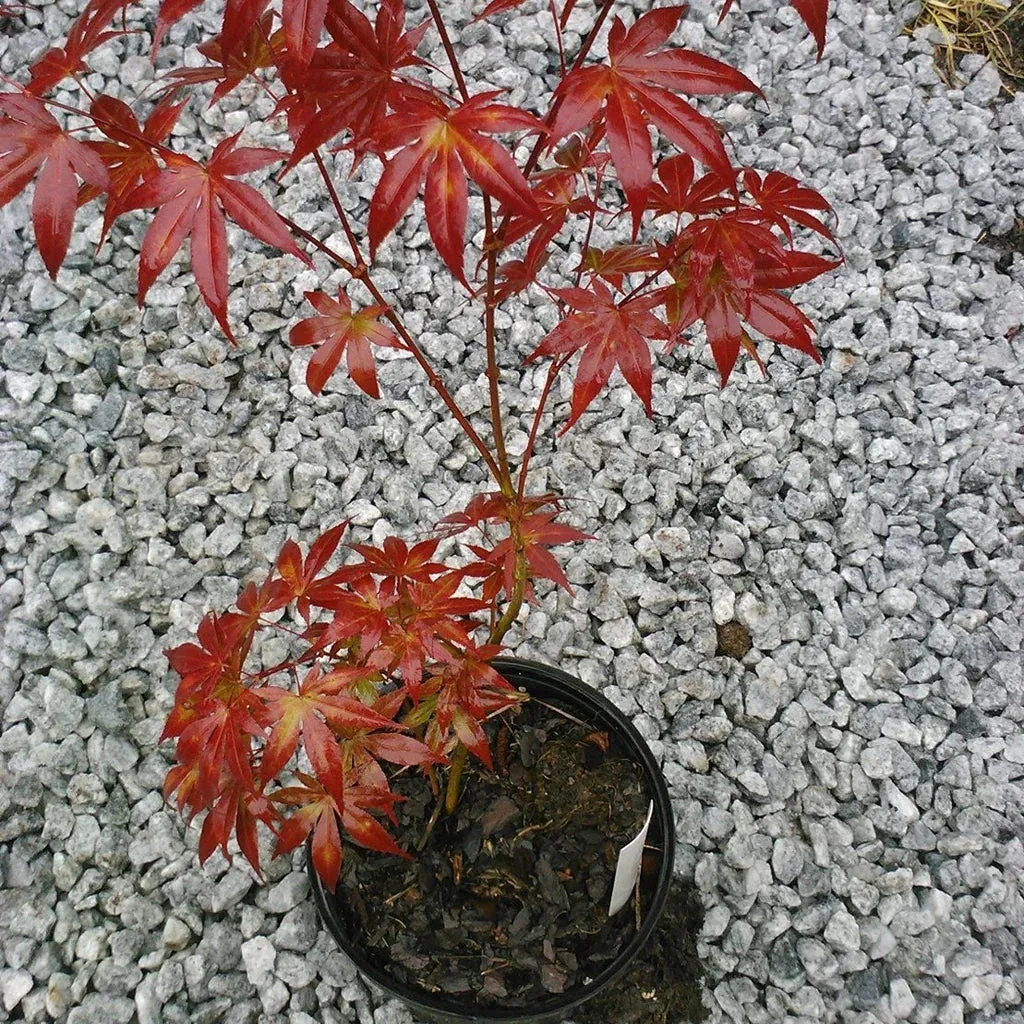
That does not leave you stuck. A Bloodgood can be copied, but only by methods that carry the parent's own wood forward, and some of those are far more realistic at home than others. Done badly, you wait years for a tree that looks nothing like the one you wanted. Done right, you get the deep red-purple leaves of the real thing.
This guide covers everything you need to know about propagating Bloodgood, from why seed fails and whether cuttings are worth the effort to air layering, grafting, sourcing wood and timing the work through the year.
Will Bloodgood Japanese Maple Seed Come True?
No. Seed is the cheapest way to get a maple and the least reliable way to get a Bloodgood. Here is why, and what the seed is still good for.
Why Seedlings Never Match the Parent
Bloodgood is a single selection of Acer palmatum, first sold before World War II by the Bloodgood Nursery on Long Island, New York. Its deep red-purple foliage belongs to that one selection. It carries forward only when you use the parent's own wood.
Seed breaks that chain. Japanese maples cross pollinate, so there is no telling what genetics a seedling carries. The small red spring flowers on your tree can be pollinated by any maple nearby, so the seeds that ripen in fall have two parents, and only one of them is your Bloodgood. Expect a spread of results, and expect many seedlings to lean toward the green summer foliage of the species.
A green seedling is genetics, not a care problem. A true Bloodgood that loses its color is a different matter, and we cover it in why a Bloodgood turns green.
What to Do With the Seed Anyway
Seed still earns its place, because grafting needs a seedling to graft onto. Sow a few and you have practice stock for the sections below.
- Collect the winged seeds once the wings have dried on the tree.
- Give them a cold, moist rest through winter. Ask your local extension service how long that rest should be in your area.
- Sow in a deep pot of free-draining mix and keep it evenly moist.
- Grow the seedlings in light shade and leave them alone for a full season.
Our advice is to treat seed as a sideline. Sow it for rootstock if you like, and never count on it for a copy of your tree.
Decide Whether Cuttings Are Worth Trying
Bloodgood can be propagated by grafting and stem cutting, so cuttings are possible. Possible is not the same as practical.
What a Cutting Attempt Demands
Maple stems root slowly and unevenly, and none of the sources we use gives a dependable success rate for Bloodgood, so we will not quote one. What we can say is what the attempt takes.
You need soft, young shoots from the current season, cut with a clean blade and set into a sterile, airy rooting mix. They then need steady humidity and warmth at the base without ever sitting wet. Leaves on a Bloodgood cutting are large and thirsty, so most of the work is keeping them from wilting before roots form.
Plan on taking many cuttings to end up with one or two plants. Each one that fails costs you a shoot from the same tree you want to keep full and shapely.
Keep or Skip
Run through this short test before you cut anything.
- Keep cuttings in the plan if you have a humidity setup, such as a covered propagation tray you can check daily.
- Keep them if you are happy to lose most of a batch and treat the survivors as a bonus.
- Skip them if you can only check the tray once a week, or if you want one dependable tree.
For most home growers the answer is skip. Cuttings reward patience and equipment, and the next two methods give better odds with less gear.
Air Layering a Bloodgood Japanese Maple Branch
Air layering roots a branch while it is still attached to the parent, which is why it is the realistic home option. The branch keeps drinking while it grows roots, so it cannot dry out the way a cutting does.
Pick the Right Branch
Choose a healthy branch within easy reach, showing the full deep red-purple color and the slender-pointed lobes of this cultivar. Mature height is 2.5–4 meters, about 8–13 feet, so on a mature tree most good branches are reachable from a stepladder.
Take the layer from a low side branch where its removal will not leave a hole in the tree's shape. Avoid thin, shaded or crowded wood.
The Steps
Work in order and keep everything clean. The wrap is simple, but the details decide whether roots form.
- Remove a ring of bark about as wide as the branch is thick, all the way around, and scrape the exposed wood to clear the green layer.
- Dust the cut with rooting hormone if you have it.
- Pack a fist of damp sphagnum moss around the wound. Squeeze it so it is moist, not dripping.
- Wrap the moss in clear plastic and tape both ends so water cannot escape.
- Shade the wrap with a strip of foil or pale cloth so the moss stays cooler.
- Check the moss every few weeks and add a little water through the top if it dries.
- Wait until white roots show through the plastic, then cut below the wrap and pot the layer.
Pot it in a loose, well-drained mix, keep it in shade and out of drying wind, and follow our notes on growing Bloodgood in a pot for the first season.
Our verdict: try it. A layered Bloodgood is a true copy on its own roots, and the cost is a branch, some moss and a season of waiting.
Grafting Bloodgood Japanese Maple on Rootstock
Grafting is how nurseries make nearly every Bloodgood on sale. The Henderson County Extension notes that producers graft desirable Japanese maples onto rootstocks of other maples, and the same method works at home on a smaller scale.
How a Graft Works
You join a short piece of Bloodgood wood, the scion, to the root and lower stem of a young seedling, the rootstock. The two must line up so the thin green layer under the bark touches on at least one side. That layer is where the two plants knit together.
Everything above the union grows as Bloodgood and everything below is the rootstock. The scion must also dominate. Once it breaks into growth, you remove the rootstock's own top.
The Basic Sequence
The steps are few, but each one needs a clean, sharp knife and a steady hand.
- Grow or buy a potted rootstock and let it settle for a season.
- Cut matching slanted faces on the rootstock and scion so the green layers meet.
- Bind the join snugly with grafting tape or a stretchy wrap, covering the cut tip of the scion as well.
- Keep the pot sheltered, humid and out of strong sun while the union forms.
- Loosen the wrap as the scion buds swell, then trim away the rootstock above the union.
We often see first-time grafters lose a whole batch to a wrap that dried out, so keep the scion tip sealed and the pot out of wind.
Suckers and Go or No-Go
Any shoot that grows from the rootstock below the union is not Bloodgood and will not carry the red-purple leaves. Pull these off the moment you see them, or they will steal the scion's strength.
Our call: go, if you have several rootstocks to spare and are willing to practice your cuts. No-go, if you want a guaranteed result from a single attempt.
Choosing Rootstock and Scion Wood
Most failed grafts come down to poor material, not poor technique. Source both halves with care before you pick up the knife.
Rootstock
The sources describe Bloodgood being grafted onto seedlings and onto rootstocks of other maples, and they do not name one rootstock as the standard. Ask whoever supplies young maples what species they are and how vigorous they run. Your own seedlings from the first section are a fair option if they are healthy.
Pick a rootstock with a stem close to the thickness of your scion, with roots that fill the pot but are not circling hard. A weak, root-bound seedling will not carry a graft.
Scion Wood
Collect scion wood while the parent tree is dormant, from last season's firm shoots with plump buds. Take it only from a tree you know is a true Bloodgood, with deep red-purple leaves each summer. Wood from a tree of doubtful identity gives you a doubtful graft.
Cut with clean, sharp pruners. Wrap the stems in damp paper inside a sealed bag and keep them cool until you graft. Take more pieces than you need, and avoid shoots from a stressed or diseased tree.
What to Buy or Collect
Gather this list before the dormant season starts.
- Several healthy potted maple seedlings from a trusted supplier, or your own seedlings, grown on for a season.
- More scion shoots than you need from one verified Bloodgood.
- A sharp grafting knife, grafting tape and clean pruners.
- A sheltered spot for the grafted pots, out of wind and hard sun.
Timing and Expectations for Each Method
Each method has its own season, and pushing it out of season is the quickest way to fail. This table shows the window and what to expect.
| Method | Best window | Likely outcome |
|---|---|---|
| Seed | Collect in fall, chill through winter | Maples, but not Bloodgood |
| Cuttings | Soft, young growth early in the season | Unreliable, many fail |
| Air layering | Once spring growth has firmed up | Fair odds, roots over one growing season |
| Grafting | Dormant season, wood and rootstock both rested | Good with practice, poor on a first try |
A Realistic Timeline
Expect slow progress. The species grows at a slow to moderate rate, and a young Bloodgood follows that pace.
A layer started in late spring may be ready to pot by late summer or the following spring, depending on your climate. A graft made in winter should push buds by spring, but it needs at least a full season before it looks like a tree. Either way you start with a small plant, so compare it with the sizes in our container size guide to set your expectations.
When a new tree is ready for the ground, follow how to plant a Bloodgood the right way. Plan on years, not months, before it looks like the tree you copied.
Picking a Route for Your Bloodgood Japanese Maple
Start with air layering this year. It needs no special skill, it keeps the branch alive while it roots, and it gives you a true Bloodgood. Sow seed only if you want rootstock, skip cuttings unless you already own the equipment, and try grafting only after you have gained experience with cuts and wraps.
Bloodgood Japanese Maple
Nursery-grown Bloodgood Japanese Maple in sizes from QT Container, shipped to your door.
From $49.49
Shop Now →Before a plant leaves us, our growers check that the leaf color is true to Bloodgood, that the roots fill the pot without circling, and that any graft union is sound, because those are the things propagation most often gets wrong. Raising top-quality maples on our own farms is how we know what a good young tree should look like, and it is the standard we suggest you hold your own propagated plants to.